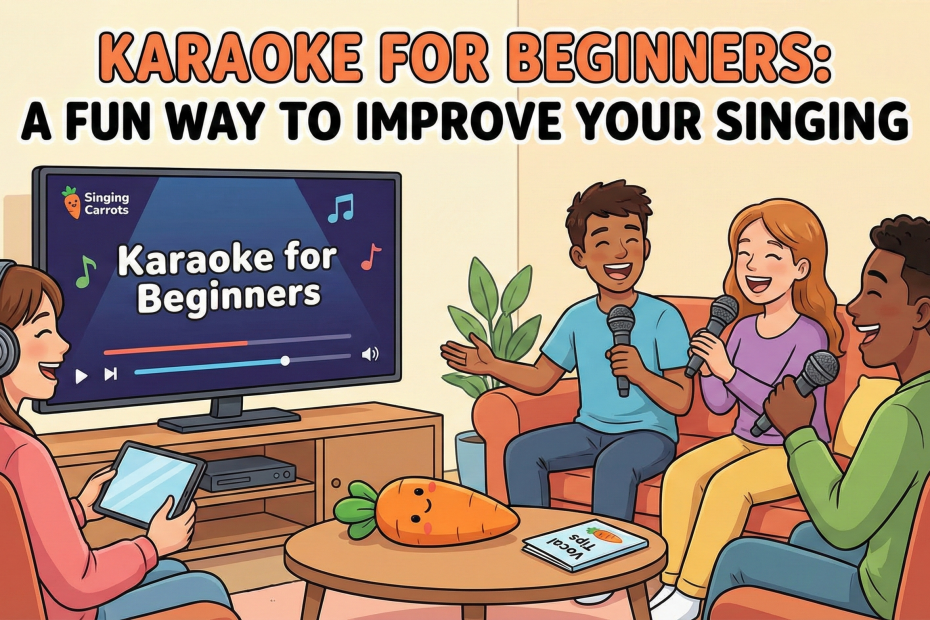
Feeling shy about singing? Good news – karaoke isn’t just a party trick, it’s a fun training ground for your voice. Studies show that singing (even karaoke) boosts confidence, releases stress, and gives your brain a workout. In fact, singing lights up language, rhythm and emotional centers in your brain. So if you’ve ever wondered “how do I improve my singing?” or “can you sing if I’m not a pro?” – the answer is yes. Karaoke can be a low-pressure way to warm up those vocal chords and train your ear. Nobody starts perfect; even “karaoke divas” admit they failed a lot at first but kept practicing and built confidence. The more you sing (at home or with friends), the more your skill will improv – and karaoke makes that practice a blast.
Why Karaoke Helps You Learn to Singe e
Think of karaoke as singing training online without the homework. It’s a judgment-free zone where you pick the songs and tempo. You get real-time feedback (you hear your pitch!) and even laugh off the flubs. Even better, karaoke practices many parts of singing:
- Pitch & listening skills: Singing along with a track trains your ear. Over time your intonation improves, helping you sing in tune.
- Breath control: Karaoke songs force you to hold notes and control breathing – it’s good breathing exercise.
- Confidence boost: Putting yourself out there (even just for yourself or friends) is huge. Karaoke builds confidence and stage presence.
- Fun factor: Most importantly, it’s fun. Karaoke releases endorphins and makes practicing feel like a party. You laugh, groove, and before you know it you’ve had quality vocal practice without feeling intimidated.
Singer tip: Warm up first! Even simple lip trills, humming or gentle scales for 5–10 minutes loosens your voice. Good posture and relaxed jaw help too. Always stay hydrated and go easy if your throat feels tired – healthy habits keep you singing strong.
How to Practice Singing (with Karaoke and Beyond)
If you’re asking “how to improve your singing”, consistency and smart practice are key. Try these beginner-friendly tips:
- Sing regularly (even a few minutes daily). A little practice every day adds up. Aim for 10–20 minutes of singing warm-ups or songs each day. As 30DaySinger coach Camille van Niekerk says, “a little bit of practice every day will give you results over time!”.
- Choose songs you love and can handle. Start with easy songs in your comfortable range so you don’t get discouraged. Gradually push into slightly tougher notes as you grow. Carrots’ own voice chart advice is: pick a key that’s comfortable or transpose songs to match your range.
- Practice proper breathing. Breathe from your diaphragm (belly expands) and keep shoulders relaxed. Good breath support means longer, stronger notes.
- Listen and record yourself. Playing back your karaoke session or recording can be eye-opening. It’s normal to dislike hearing your own voice at first, but it’s the best way to hear mistakes and track progress. Mark what you like and what needs work.
- Break it down. If a song has a tricky part, slow it down. You can even hum the melody or use pitch apps. For example, Singing Carrots offers a “Pitch Training” game – try the “Test if you can sing in tune” tool for fun feedback.
- Stay patient and positive. Everyone improves at their own pace. If you hit sour notes, no worries – just smile and keep going. Even the best singers practice over and over. Remember, karaoke night’s all about fun and learning, not perfection.
Online Tools and Apps for Singer Practice
Besides karaoke machines, many learn to sing apps and online trainers can help you improve. These bring real-time feedback and games to your practice. Some popular options:
- Smule (iOS/Android): A karaoke app with 10+ million songs. Sing solo or duet with friends (or even with pro tracks). Smule adds fun filters and pitch-correction effects, and it shows you visually how on-pitch you are.
- Simply Sing: An app that auto-adjusts any song to your vocal range. It first runs a quick vocal range test, then transposes songs so you can comfortably hit the notes. Users get live feedback (“red/green bars”) as they sing. It’s more karaoke than formal training, but great for hitting high notes without strain.
- Yousician Sing: An interactive singing tutor app. It listens to your voice and immediately tells you if your pitch and timing are on point. Think of it like a virtual singing teacher – it guides you through lessons, songs and games step-by-step. (It even gamifies practice with stars and points.)
- Voice Training Apps: There are many other voice workout apps (e.g. Vocalist, Voice Lessons). Most use your phone mic to give visual pitch feedback and structured lessons. Apps make practicing fun and easy: you can sing along to backing tracks and get instant scores.
Apps and karaoke platforms like these are fantastic for turning practice into a game. They let you practice singing on your own schedule – a perfect solution if formal lessons seem intimidating. (That said, singing teachers point out that apps can’t catch every detail, so if you can, complement apps with occasional lessons. But apps are a great start.)
Singing Carrots – Your Ultimate Karaoke Practice Platform
Looking for one-stop singing training online? Check out Singing Carrots. It’s an app (on iPhone and Android) and web tool that combines karaoke with training tools in a friendly way. Here’s why beginners love it:
- Huge karaoke song library: Over thousands of popular songs (with lyrics and charts). On each song’s page, there’s even an embedded karaoke YouTube video, so you can sing along right in your browser.
- Filter by vocal range and type: Not sure which keys suit you? Take the Vocal Range Test (just sing a note) and it tells you your range. Then use the Search – filter songs by your range or by voice type (Bass, Tenor, Alto, etc.). Only want karaoke tracks? Toggle “sing only in original key for karaoke” to find songs untransposed. This means you can learn how to sing in tune at your own level.
- Practice prompts and games: Each song page has a button to “Test if you can sing in tune” – it launches a fun pitch-training exercise. Some songs even have custom melody exercises (linked MIDI) so you can practice the whole melody on a piano.
- Helpful stats and guides: Song pages show the original key, difficulty level, and vocal range of the song. If a key is too high, it tells you how many semitones to transpose down. There’s a “Sing Karaoke” tab that links to the karaoke video, and even chords/sheet- music if you like.
- Voice learning path: Singing Carrots turns practice into a game. You can log in and earn points on pitch games, track your progress, and join a friendly community. It’s like having a virtual vocal coach that motivates you to come back and practice.
With tools like this, Singing Carrots makes it easy to learn how to sing at home. You explore songs you love (pop, rock, etc.), see your vocal range, and get immediate feedback on your accuracy. It’s beginner-friendly: you don’t need to read music or have any experience. You just pick a song (maybe start with something simple) and sing along at home using the embedded video. Over time you’ll notice your pitch and confidence getting better.
Ready to give your voice a workout? Karaoke night at home just got educational – and fun! No matter how “tone-deaf” you think you are, remember that anyone can improve by practicing. So grab a mic (or headphones), pick a favorite tune, and sing with joy and zero pressure. Try blending those tips above with Singing Carrots’ tools – and you’ll be on your way.
Head to Singing Carrots and explore the song search. Take the Vocal Range Test, filter your favorite karaoke hits, and start hitting those notes today. Singing Carrots is a fun, free way to build your singing skills at home – turn up the music and let karaoke be your teacher!

Unleash 1 Million Voices – Singing Carrots Mission
Hi. I’m Sergey, founder of Singing Carrots. I’m on a mission to unleash one million voices. Bu…
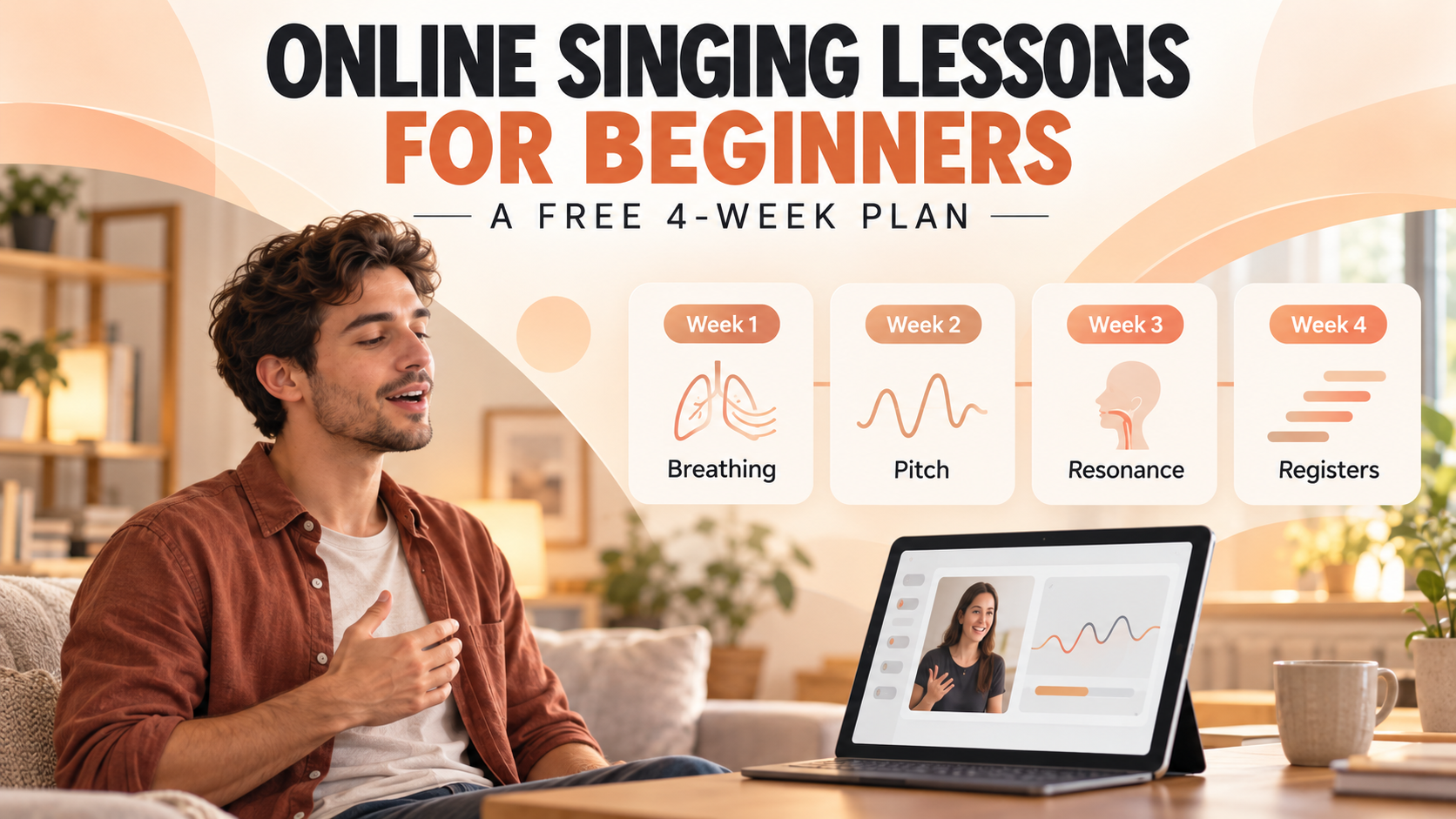
Online Singing Lessons for Beginners: a 4-week plan
You don’t need a teacher, a studio, or a good voice to start. You need about 20 minutes a day,…
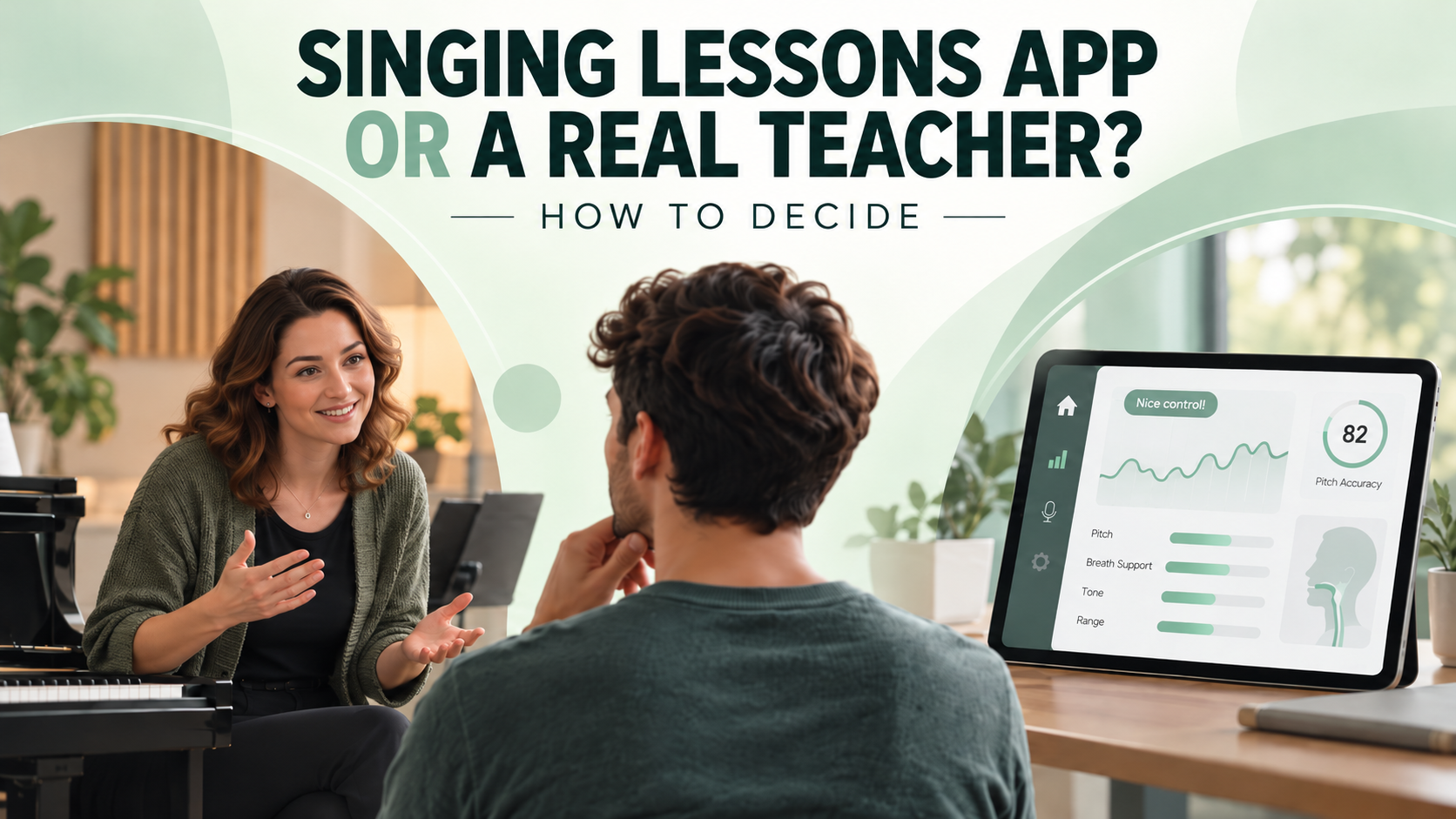
Singing Lessons App or a Real Teacher? How to decide
The short answer: always first go to a teacher if something hurts when you sing, if you’ve pla…
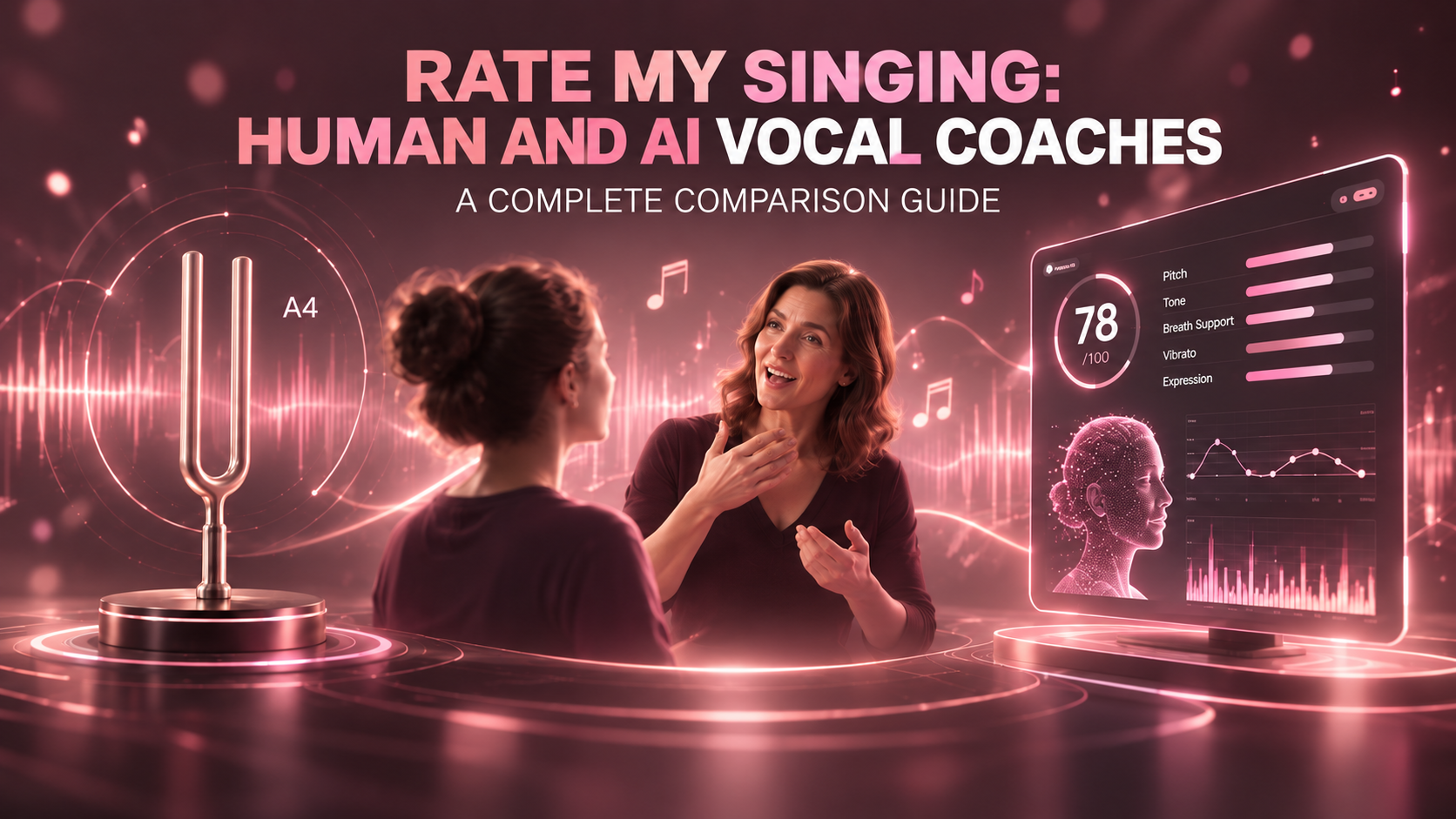
Rate My Singing: Apps, AI Tools, and the Ways Nobody Mentions
The fastest way to get your singing rated is a free pitch accuracy test: two minutes, in your browse…
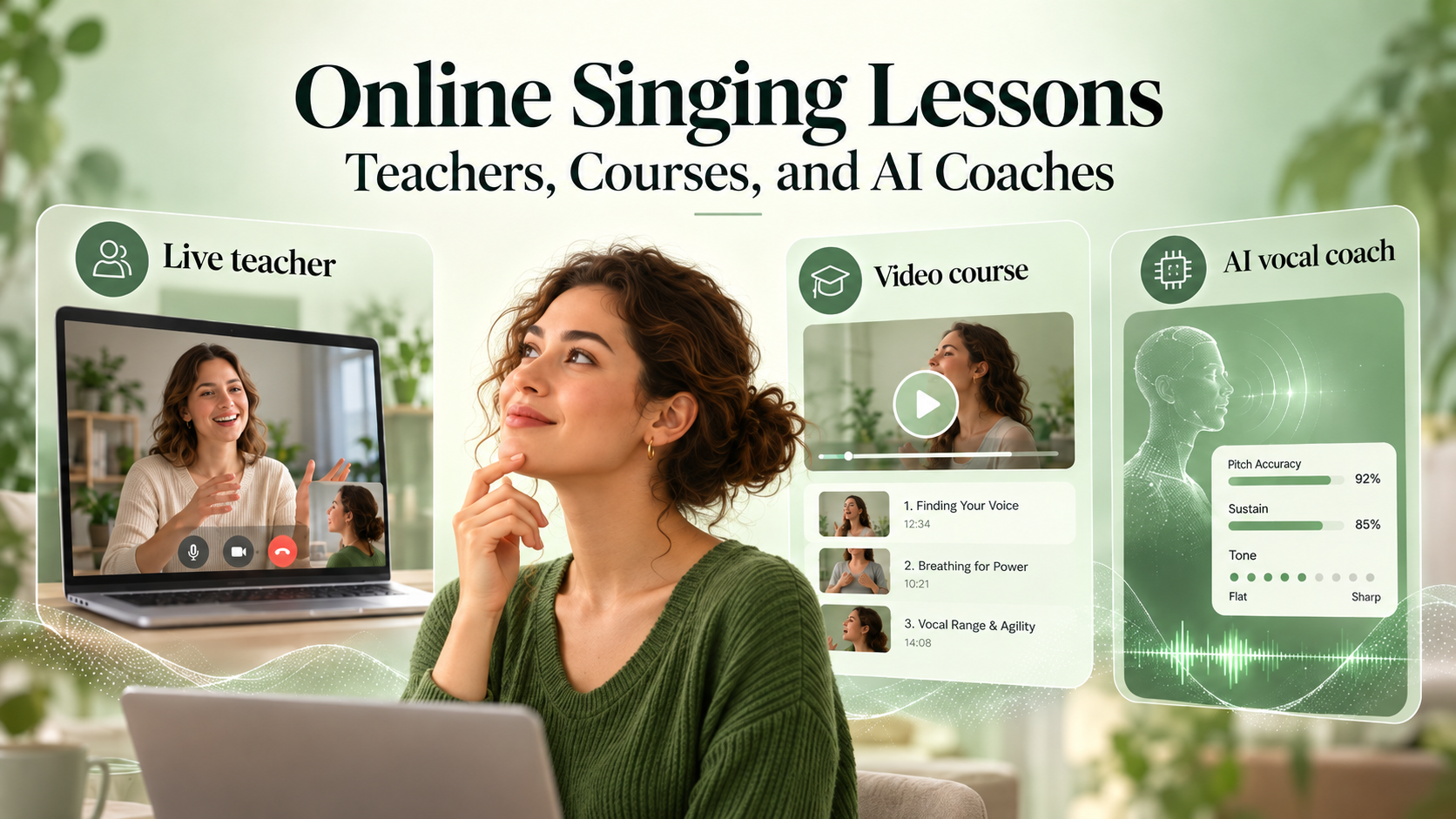
Online Singing Lessons: The Guide to Teachers, Courses and AI Coaches
Updated October 2026 Online singing lessons come in three forms : a live teacher over video call, a …
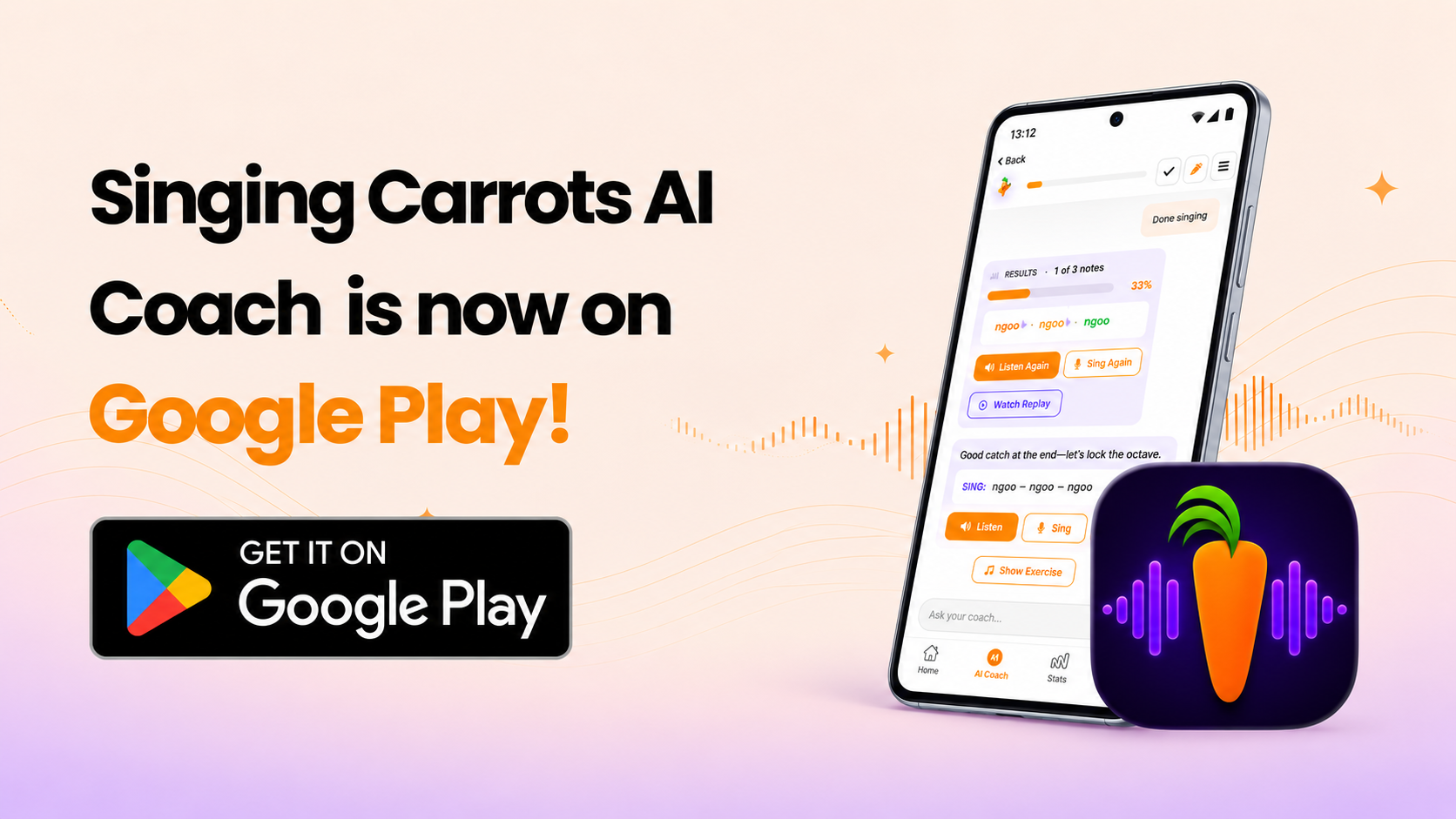
Singing Carrots AI Vocal Coach now on Android
We’ve heard it since the day we launched AI Coach on mobile browsers: “When is this getting its own …
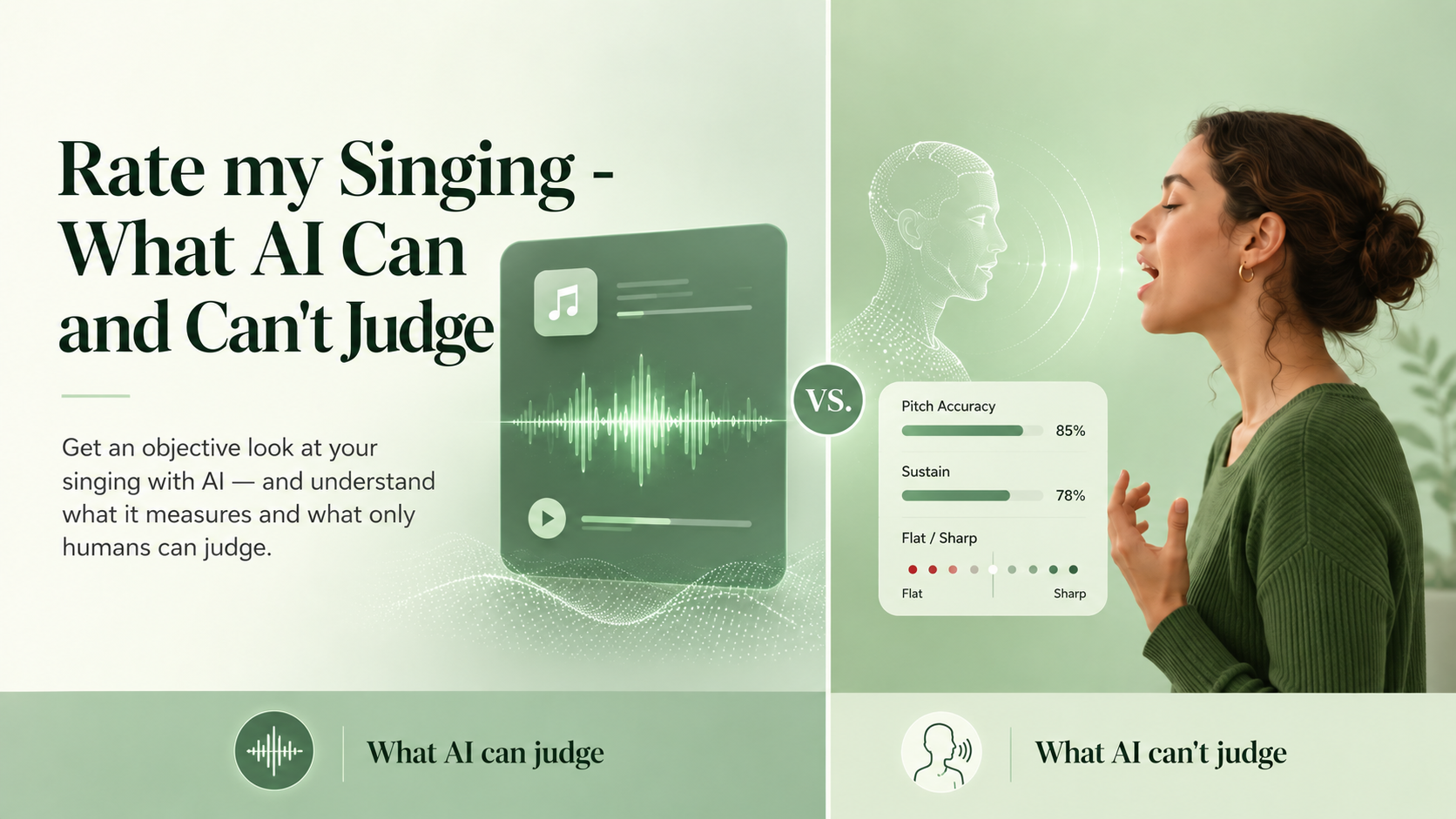
Rate My Singing: What AI Can and Can’t Judge
Want your singing rated? The honest starting point: a chatbot can’t hear you. What can actuall…